
How To Avoid Overpaying for Digital Camera Accessories
Posted by Katy on Apr 9th 2026
Buying camera gear can feel overwhelming, especially when prices vary so widely. Many shoppers spend more than necessary because they assume higher prices always mean better performance. Smart buyers take a different approach and focus on value instead of branding or hype. You can build a reliable setup without draining your budget when you understand what actually matters.
If you’re a budget-conscious shopper, especially one looking for affordable electronics, avoiding unnecessary costs makes a real difference. The Perfect Part focuses on helping customers find dependable products at honest prices, which reflects the same mindset needed when shopping for camera gear.
Understand What You Actually Need
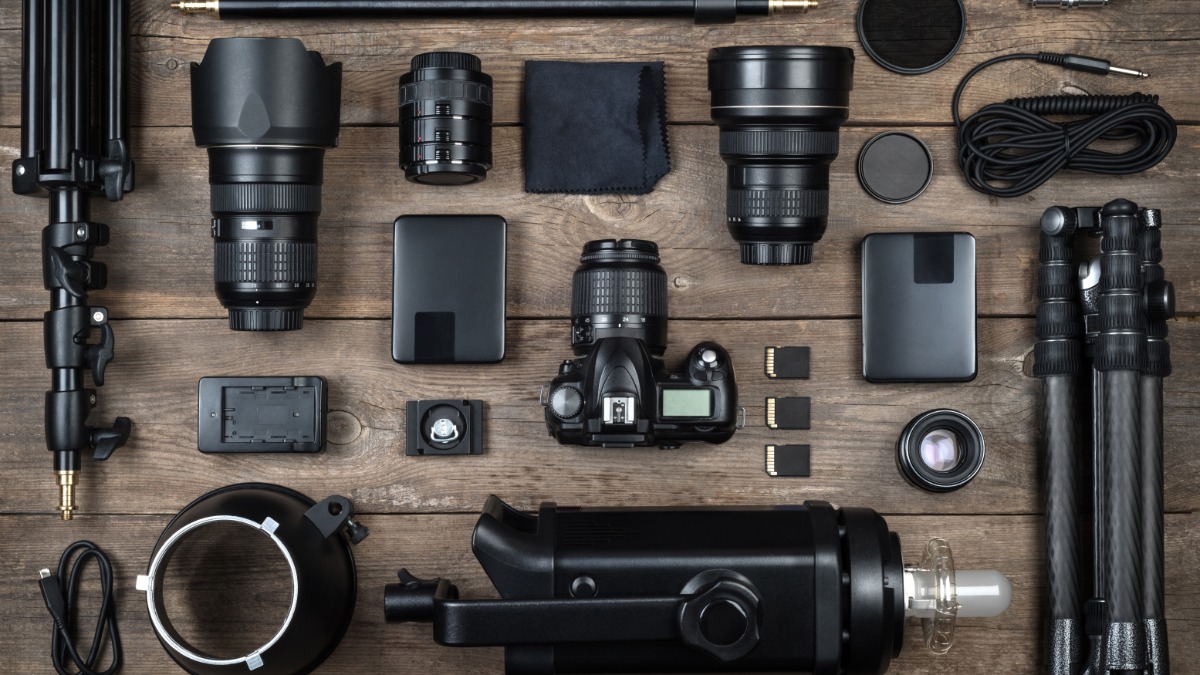
Many buyers waste money because they purchase accessories they rarely use. Start by identifying your shooting style and the environments you typically work in. A casual photographer requires far fewer tools than someone shooting events or professional content.
Write down your must-have items before browsing online. This habit keeps your decisions intentional and prevents impulse spending on items that look useful but add little value.
Learn the Difference Between Essential and Optional Gear
Not every accessory improves your results. Some items directly support your camera’s performance, while others only add convenience or niche functionality.
Essential gear includes items that keep your camera running and protected. Optional gear tends to serve specific situations, and many photographers rarely use it. Knowing this difference helps you avoid stacking unnecessary purchases into your cart.
Compare Prices Before You Commit
Prices for the same accessory can vary widely depending on the retailer. Relying on one store often leads to overpaying without realizing it.
Take time to check multiple sources before purchasing. Manufacturer sites, large marketplaces, and discount retailers often list the same item at different price points. Even small differences add up when buying multiple accessories.
Avoid Paying for Brand Names Alone
Well-known brands often charge higher prices based on reputation. While some branded products deliver strong quality, others offer performance similar to less expensive alternatives.
Focus on product specifications, materials, and compatibility instead of logos. A lesser-known brand can often meet your needs at a fraction of the cost when it meets the same technical standards.
Evaluate Bundles Carefully
Bundles can look appealing because they promise more items for a lower total cost. However, many bundles include accessories that offer little real value.
Before purchasing a bundle, consider whether you would buy each item individually. If most of the included products do not meet your needs, the bundle does not actually save money.
Buy Only the Specifications You Need
Overspending often comes from choosing higher specifications than your camera requires. Many buyers assume faster or larger always means better, but that is not always true.
For example, memory card speed only matters if your camera supports it. Battery capacity should match your typical shooting time, not exceed it by a large margin. Choosing specs that align with your real usage keeps your costs under control.
Consider Third-Party Alternatives
Many third-party manufacturers produce reliable gear at significantly lower prices. These products often match the performance of premium brands without the added markup.
You can find dependable digital camera accessories from alternative brands when you focus on verified reviews and product testing. This approach helps you stretch your budget without sacrificing performance.
Read Reviews With a Critical Mindset
Reviews can guide your decisions, but not all reviews provide useful information. Some focus on minor issues or unrealistic expectations.
Look for consistent feedback across multiple sources. When several users mention the same strengths or weaknesses, that pattern provides a more accurate picture of the product.
Avoid Impulse Purchases
Limited-time deals and flash sales create pressure to buy quickly. Retailers design these promotions to encourage fast decisions.
Pause before completing any purchase. Ask yourself whether you truly need the item and whether you have compared prices elsewhere. A short delay often prevents unnecessary spending.
Check Compatibility Before Buying
Incompatible accessories lead to wasted money and frustration. Always confirm that an item works with your specific camera model before purchasing.
Pay close attention to mount types, battery compatibility, and storage formats. A simple mismatch can make an otherwise good deal useless.
Use Refurbished and Open-Box Options
Refurbished and open-box products offer strong value for budget-conscious buyers. Many retailers test these items to ensure proper functionality before resale.
These options allow you to access higher-quality products at lower prices. As long as you purchase from a reputable seller, the risk remains low.
Invest in Quality Where It Matters Most
Not every accessory deserves the same level of investment. Some items directly impact your camera’s reliability and safety, while others do not.
Focus your budget on items that protect your gear or support consistent performance. Spending wisely in these areas prevents costly replacements later.
Avoid Over-Accessorizing Your Setup
It is easy to collect more gear than you actually use. Extra accessories can clutter your workflow and increase costs without improving results.
Keep your setup simple and efficient. Choose tools that directly support your goals instead of adding items just because they seem useful.
Watch for Hidden Costs
Some accessories require additional purchases to function properly. These extra costs can quickly increase your total spending.
Check what comes included with each product. If you need to buy chargers, adapters, or add-ons separately, factor those costs into your decision.
Set a Clear Budget Before Shopping
A defined budget helps you stay focused and avoid overspending. Without limits, small purchases can quickly add up.
Break your budget into categories based on priority. This structure helps make sure you spend more on essential items and less on optional ones.
Take Advantage of Seasonal Discounts
Retailers often lower prices during major sales events throughout the year. Planning your purchases around these periods can lead to meaningful savings.
Patience pays off when you wait for the right time to buy. Timing your purchases can reduce costs without sacrificing quality.
Focus on Long-Term Value
The cheapest option does not always provide the best value. Low-quality accessories may need frequent replacement, which increases costs over time.
Choose products that balance affordability with durability. A slightly higher upfront investment can save money in the long run.
Build Your Collection Gradually
You do not need every accessory at once. Buying everything upfront increases the risk of unnecessary spending.
Start with the basics and expand your setup as your needs grow. This approach allows you to make smarter decisions based on real experience.
Finding What You Really Need
Avoiding overpayment for camera gear requires a thoughtful approach. If you’re a smart buyer, you focus on function and long-term value instead of trends or branding.
You can build a reliable setup without exceeding your budget when you research carefully and prioritize essentials. Each purchase should support your photography goals, not simply add to your collection.


