
How To Build a Reliable Mechanic Toolkit for Under $50
Posted by Katy on Mar 6th 2026
Car repairs add up quickly. Labor charges often cost more than the parts themselves. When you build your own mechanic toolkit, you create the ability to handle routine maintenance and small repairs without stretching your budget.
You do not need professional-grade equipment to work on your vehicle. With a focused plan and careful shopping, you can build a reliable mechanic toolkit for under $50 and still cover the most common repair needs.
Here is how to do it efficiently and affordably.
Why Should You Build a Mechanic Toolkit Under $50?
Owning a small toolkit gives you independence. Instead of scheduling appointments for simple fixes, you complete basic repairs at home.
You also protect your budget. Tasks like battery replacements, air filter changes, and spark plug swaps require only basic tools. When you handle those jobs yourself, you avoid unnecessary labor fees.
A compact toolkit supports routine maintenance while keeping costs predictable. That control matters, especially for budget-conscious households.
What Tools Do You Actually Need for Basic Car Repairs?
Many people assume they need a large rolling toolbox filled with specialty equipment. In reality, most vehicles rely on common fastener sizes and standard hardware.
You should focus on tools that offer versatility. Each tool in your kit should handle multiple types of tasks. Avoid specialty tools at the beginning, since they increase cost and often serve only one purpose.
When you build strategically, a handful of well-chosen items can cover the majority of light-duty automotive repairs.
Which Socket Set Forms the Foundation of Your Toolkit?
A basic socket set should anchor your mechanic toolkit. Choose a 1/4-inch or 3/8-inch drive set with common metric sizes, especially between 8mm and 14mm. These sizes appear frequently in engine compartments and under-hood components.
Look for a set that includes a ratchet handle and at least one extension. The extension helps you reach bolts positioned behind covers or in narrow spaces.
You do not need an expensive brand name. Many affordable sets provide durable metal construction and smooth ratcheting action. Among cheap automotive tools, a compact socket kit delivers the best overall value for the price.
Why Are Combination Wrenches Important?
Sockets cannot reach every bolt. Some areas of a vehicle restrict space, which makes wrenches essential.
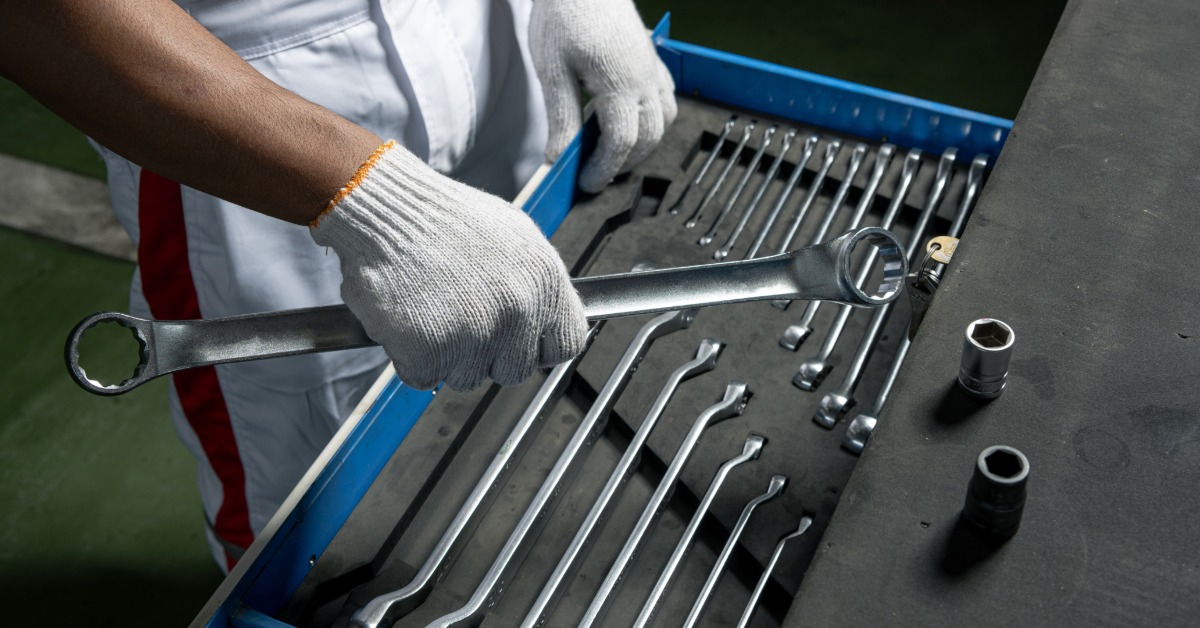
A small combination wrench set with common metric sizes will handle most situations. Focus on everyday sizes such as 8mm, 10mm, 12mm, 13mm, and 14mm. These sizes frequently secure brackets, clamps, and mounting points.
Combination wrenches offer flexibility because they include both an open end and a box end. The open end allows quick placement, while the box end provides stronger grip for loosening tight bolts. That dual function increases efficiency without increasing cost.
What Screwdrivers Should You Include?
Screwdrivers serve more purposes than tightening screws. In automotive work, you may use them to pry trim panels gently, adjust hose clamps, or remove protective covers.
A medium Phillips screwdriver and a medium flathead screwdriver handle most basic needs. Avoid oversized sets with unnecessary variations.
When selecting screwdrivers, choose sturdy metal shafts and comfortable grips. Poor-quality tips can strip screw heads, which complicates even simple repairs.
Why Do Pliers Make a Big Difference?
Pliers expand your capabilities significantly. Even one reliable pair can help with multiple repair tasks.
Slip-joint pliers or needle-nose pliers allow you to grip hose clamps, pull cotter pins, and hold fasteners in tight spaces. They also assist with small electrical connectors and clips that require precise control.
Because pliers handle tasks that sockets and wrenches cannot, they complete your core toolkit without pushing you over budget.
How Can You Stay Under the $50 Budget?
Planning your purchases helps make sure you stay within the $50 limit. Allocate most of your budget to the socket set, since it delivers the widest range of use. Wrenches typically cost less, and basic screwdrivers and pliers remain affordable at discount retailers.
Avoid buying oversized mechanic kits that include dozens of specialty pieces. Those kits often contain tools you may never use.
Instead, compare prices carefully and look for store-brand options. Many retailers offer seasonal promotions and bundle discounts. A thoughtful buying strategy keeps you on budget without sacrificing function.
Where Should You Buy Affordable Automotive Tools?
Discount retailers, online marketplaces, and clearance sections often provide the best value. Many store-brand tools perform well for routine home maintenance.
Read product descriptions carefully and check customer reviews for durability. Look for solid metal construction and secure fastener fit. Even budget-friendly tools should feel sturdy in your hand.
When you prioritize build quality over brand prestige, you maximize the performance of every dollar spent.
What Repairs Can You Handle With This Toolkit?
A $50 toolkit covers a surprising range of tasks. You can replace a car battery, change engine air filters, and install new windshield wipers without difficulty.
You can also remove interior trim panels, replace headlights or taillights, tighten loose components, and swap spark plugs in many vehicles. These jobs require only common fastener sizes and basic hand tools.
Each completed repair saves money and strengthens your understanding of your vehicle’s systems.
How Do You Make Budget Tools Last Longer?
Tool care plays a critical role in long-term reliability. After each use, wipe tools clean to remove grease and moisture. Store them in a dry location to prevent rust.
Use each tool only for its intended purpose. Avoid using screwdrivers as chisels or prying aggressively with tools not designed for that force. Over-torquing bolts can also damage both the fastener and the tool.
With proper care, even affordable tools can last for years of light-duty automotive work.
When Should You Upgrade Your Toolkit?
As you gain experience, you may encounter repairs that require additional equipment. At that point, expand your toolkit gradually.
You might add a torque wrench for precise tightening, an oil filter wrench for oil changes, or a breaker bar for stubborn bolts. Purchase these items only when a specific repair demands them.
Incremental upgrades prevent unnecessary spending while ensuring you always have the right tool for the job.
How Does a Budget Toolkit Support Long-Term Savings?
Minor automotive problems often grow into expensive repairs when ignored. A loose battery terminal can cause starting issues. A worn air filter can reduce fuel efficiency. A rattling panel can loosen further and create additional damage.
When you own basic tools, you address these problems early. Early intervention reduces long-term costs and keeps your vehicle running reliably.
For budget-conscious households, that proactive approach makes a significant financial difference.
Why Does Smart Tool Buying Matter?
A reliable mechanic toolkit reflects a practical mindset. You focus on function instead of flashy branding. You invest in tools that serve multiple purposes and deliver consistent performance.
This approach mirrors the broader goal of stretching your dollar further. Whether you shop for affordable replacement parts or everyday essentials, the same principle applies: choose quality where it counts and avoid unnecessary extras.
A well-built toolkit under $50 proves that you do not need a large investment to take control of basic car maintenance.
Final Thoughts on Building a Reliable Toolkit
You can build a dependable mechanic toolkit for under $50 by prioritizing versatility and practicality. Start with a compact socket set, add essential combination wrenches, include two durable screwdrivers, and round out the kit with reliable pliers.
Focus on smart purchases instead of large tool collections. Maintain your tools properly so they continue to perform over time.
With thoughtful planning, you create a toolkit that supports routine maintenance, reduces repair costs, and keeps your vehicle in good working condition without straining your budget.


